

Brooklyn Real Estate | 3 minute read
Gentrified Brooklyn Neighborhoods See Home Prices per Square Foot Shooting Up
BY Roxana Baiceanu | Dec 27, 2012
Several parts of Brooklyn have experienced significant urban redevelopment and demographic change over the past decade. These shifts — often referred to as gentrification — have brought new investment, rising property values, and changes in the housing and cultural landscape. Increasingly, homebuyers from across New York City have turned to Brooklyn for residential opportunities that combine neighborhood character with relative affordability.
Research published by the Fordham Institute indicates that Brooklyn contains four ZIP codes among the top-25 fastest gentrifying neighborhoods in the US. To better understand these trends, we analyzed how home prices per square foot evolved across all Brooklyn neighborhoods between 2004 and 2012, focusing on areas experiencing the most rapid transformation.To get a quick view of these changes across all Brooklyn neighborhoods, check out the map below*:  *For the most accurate results we have adjusted home prices per square foot from before 2012 with the inflation rate.
Top Three Brooklyn Neighborhoods with the Largest Increases in Home Prices per Square Foot (2004 – 2012)

#1. Williamsburg
Formerly an industrial district, Williamsburg has undergone extensive redevelopment into a mixed-use neighborhood featuring residential conversions, new construction, and a growing commercial corridor. Between 2004 and 2012, the average home price per square foot rose from $269 to $736, a 174% increase. The highest recorded sale during this period was a condominium at 22 North 6th Street, which sold in September 2012 for $2,840,918. The biggest home sale in the neighborhood is a condo unit at 22 North 6th Street which sold in September of this year for a whopping $2,840,918.
#2. Prospect Lefferts Garden
Its proximity to Prospect Park, the turn-of-the-century homes and the high-quality public school system have made this neighborhood a true attraction for many NYC home buyers. As a result, growing crowds of young former Manhattanites wanting more home space for their dollar have called this neighborhood their home in the past decade. The average home price per square foot is up by 63% in 2012 compared to 2004, from $235 to $382. The largest sale recorded in the neighborhood is the single-family home at 20 Midwood St., which sold in February 2012 for $1,650,000. The transaction also topped the neighborhood’s home sales in 2005.
#3. Gowanus
Gowanus, known for its industrial past and central location near Carroll Gardens, has seen increasing residential development alongside environmental remediation efforts around the canal. Despite fluctuations following the 2008 housing downturn, prices in 2012 were 52% higher than in 2004, averaging $668 per square foot. In April 2012, Sam Dolnik, the grandnephew of Arthur “Punch” Sulzberger (former Times publisher), bought the two-family home at 473 Sackett St. for the record price of $1,825,000, $200,000 more than the original asking price.
Top Three Brooklyn Neighborhoods with the Largest Decreases in Home Prices per Square Foot (2004 – 2012)
#1. Cypress Hills
Located within East New York, Cypress Hills recorded the steepest decline in average home prices since 2004 — a 30% drop, from $209 to $147 per square foot. The neighborhood, home to a large immigrant population primarily from Latin America, continues to offer some of the most affordable housing options in Brooklyn.
#2. & #3. East Flatbush and Flatbush
The two neighborhoods are quite similar in terms of demographics and real estate. Both of them have seen a decrease in home prices per square foot from around $200 in 2004 to approximately $160 in 2012. Nevertheless, there are signs that Victorian Flatbush is already going through an urban revival. Long-term residents have noted ongoing efforts to balance neighborhood growth with housing affordability and community diversity.
Neighborhoods with Stable Home Prices
However, not all Brooklyn neighborhoods experienced sharp gains or declines. Several areas maintained relatively stable pricing between 2004 and 2012, reflecting steady demand and limited volatility.
-
Prospect Heights saw a modest 4% decrease in average price per square foot, from $634 to $606.
-
Manhattan Beach, one of Brooklyn’s most expensive neighborhoods in Q3 2012, recorded a 10% increase, from $402 to $442 per square foot.
-
Red Hook and Windsor Terrace also showed consistent pricing trends, underscoring their stability during the broader market swings of the late 2000s.
Latest Posts
Want to stay on top of the real estate market?
Access comprehensive property data and ownership information with intuitive research tools.
POSTED IN: Brooklyn Real Estate, New York Real Estate

Roxana is an associate editor with Multi-Housing News and Commercial Property Executive. In the past, she also created content for PropertyShark and Point2Homes’ blog pages. She also has 5 years of experience as a marketing copywriter.
Recent Reports
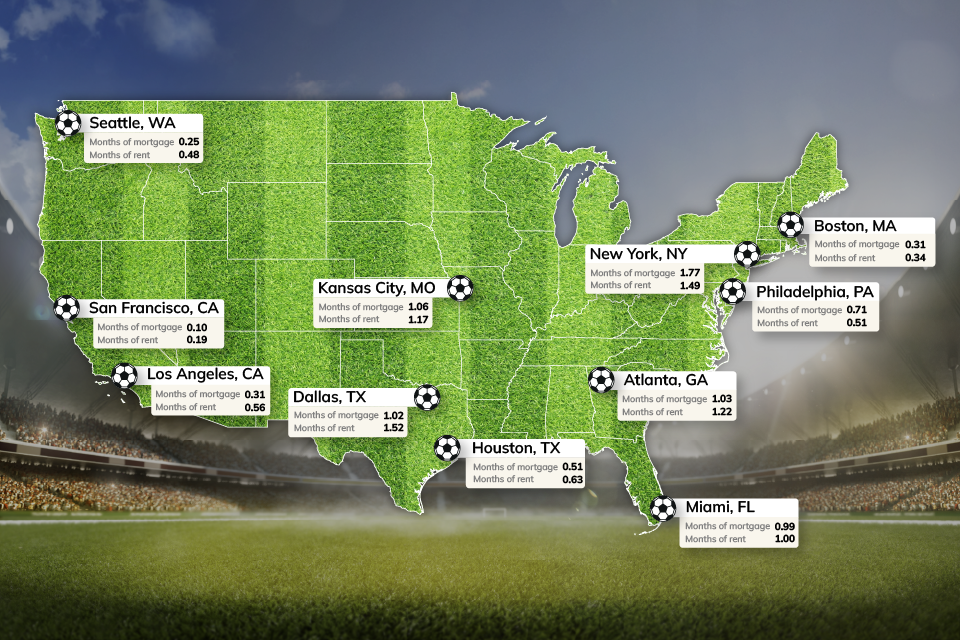
World Cup or Your Mortgage/Rent? Ticket Prices Rival Host City Housing Costs
World Cup ticket prices rival monthly housing expenses in the 11 U.S. host cities, with even the cheapest seats covering weeks or even months of rent or mortgage payments.
Locked-In Owners, Mobile Renters: Homeowners Stay Put as Renters Move 3.7x More Across Largest U.S. Cities
Renters became the primary drivers of long-distance mobility across the largest U.S. cities, moving 3.7 times more than owners in 2024, as high mortgage rates and housing costs kept many homeowners in place.
$4.6M Hudson Yards Maintains Top Spot, Luxury Sales in Malba Set $2.5M Price Record for Queens
Despite prices declining, Hudson Yards remained the most expensive NYC neighborhood, but TriBeCa’s growth closed the gap to under $400,000, while Malba set a new historic price record for Queens at $2.5 million, securing the highest ranking ever for the borough at #5.