

Long Island Real Estate | < 1 minute read
Long Island foreclosures down 37% from October 2008
BY Roxana Baiceanu | Dec 19, 2008
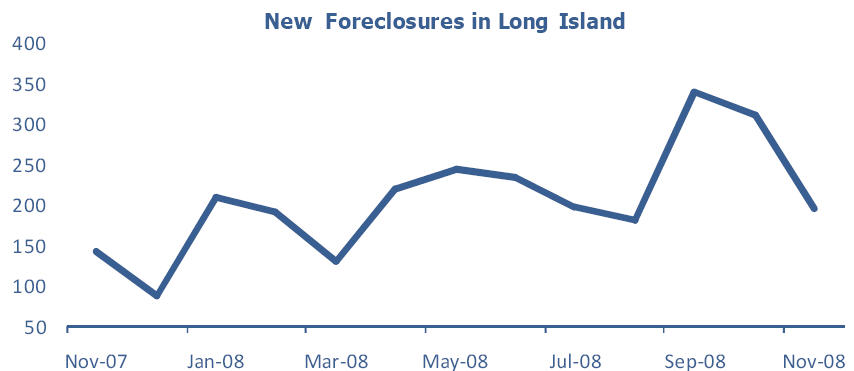
In the November Long Island Foreclosure Report we found that there was a 37% decrease in Long Island foreclosures in November 2008 (196 scheduled foreclosures) from the previous month (311 scheduled foreclosures). However, compared to November 2007, foreclosures are 37% higher.
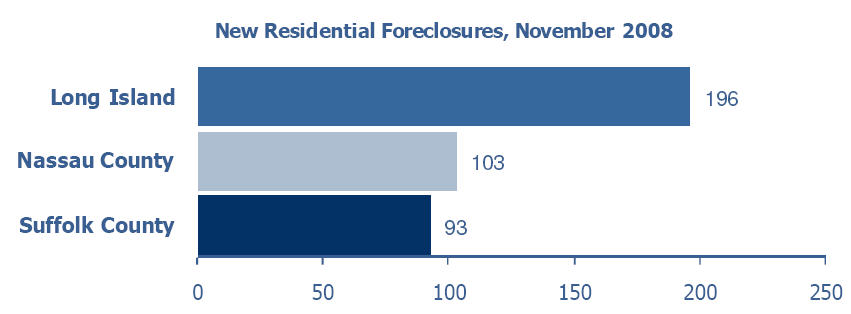
There were 103 new Nassau County foreclosure auctions scheduled in November 2008, a 51% decrease from October 2008, but a 51% increase from November 2007. The total aggregate lien amount dropped over 50% from $89.2 million in October 2008, to $40 million in November 2008.
Foreclosures in Suffolk County were down 9% from October 2008, yet despite the monthly decrease, the foreclosure level was still 24% higher than in November 2007.
Latest Posts
Want to stay on top of the real estate market?
Access comprehensive property data and ownership information with intuitive research tools.
POSTED IN: Long Island Real Estate

Roxana is an associate editor with Multi-Housing News and Commercial Property Executive. In the past, she also created content for PropertyShark and Point2Homes’ blog pages. She also has 5 years of experience as a marketing copywriter.
Recent Reports

A Decade of Homeownership Trends Across NYC Neighborhoods: Where Owners Gained Ground & Where Renters Took Over
Shifts in homeownership trends led Manhattan to record the highest increase in the share of owner-occupied homes, while Staten Island stood out as the only NYC borough where renters gained ground over the past decade.

2026 Q3 Foreclosure Report: NYC Foreclosure Activity Slows to 4-Year Low, Fueled by Queens & Brooklyn Contractions
NYC foreclosures contracted to levels not seen since late 2022, fueled by drops in Brooklyn and Queens. Meanwhile, elevated activity in the Bronx kept it near the forefront, surpassed only by Queens.

Atherton Breaks $10M Median as 11 States Set New Price Records
2026 brought record price peaks to 11 states, including the first ever eight-figure median sale price with Atherton’s dramatic surge back to #1. Meanwhile, California’s presence continued to shrink with the pullback of the Bay Area, although it remained home to more than half of the country’s top zips, while the New York metro supplied one quarter, its strongest presence yet.